The Story of Honey: Nature’s Oldest Sweet & Most Honest Food
From ancient Egypt to modern kitchens, honey has been more than a sweetener—it’s a symbol of purity, health, and harmony with nature. This overview explores honey’s timeless significance, its natural diversity, and why authentic sourcing matters now more than ever.
For more than 10,000 years, humans have chased, harvested, and revered honey.
Ancient Egyptians sealed jars of it inside tombs — still edible thousands of years later.
The Greeks called it “the food of the gods.” In early medicine, it was used to heal wounds, calm coughs, and preserve life itself.
Across every civilization, honey meant something sacred: purity, nourishment, and the quiet work of nature’s smallest farmers.

A Treasure Through Time
Honey has never been just another sweetener. From temple offerings to daily bread, it carried value far beyond taste — a symbol of fertility, health, and prosperity.
Even today, honey holds a special place. As processed sugars dominate modern diets, people are rediscovering what ancient cultures already knew: real honey is alive with complexity and benefit.
It’s no longer a pantry staple; it’s a premium natural product prized by chefs, nutritionists, and conscious consumers alike.
More Than Sugar — A Living Food
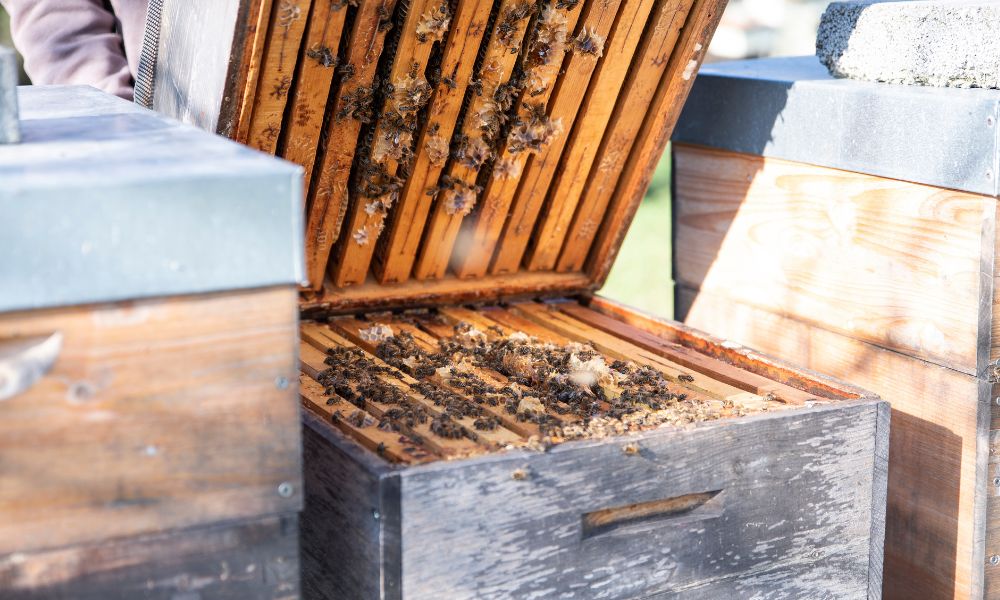
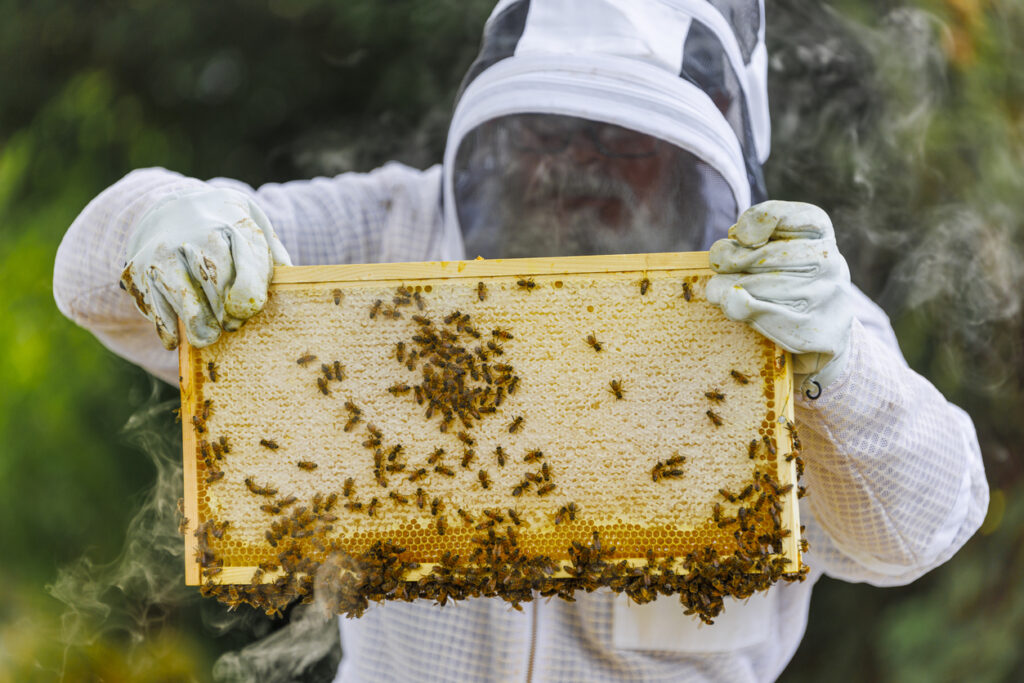
Unlike syrup or refined sugar, honey is made by an animal — or more precisely, by insects working in perfect harmony with the landscape.
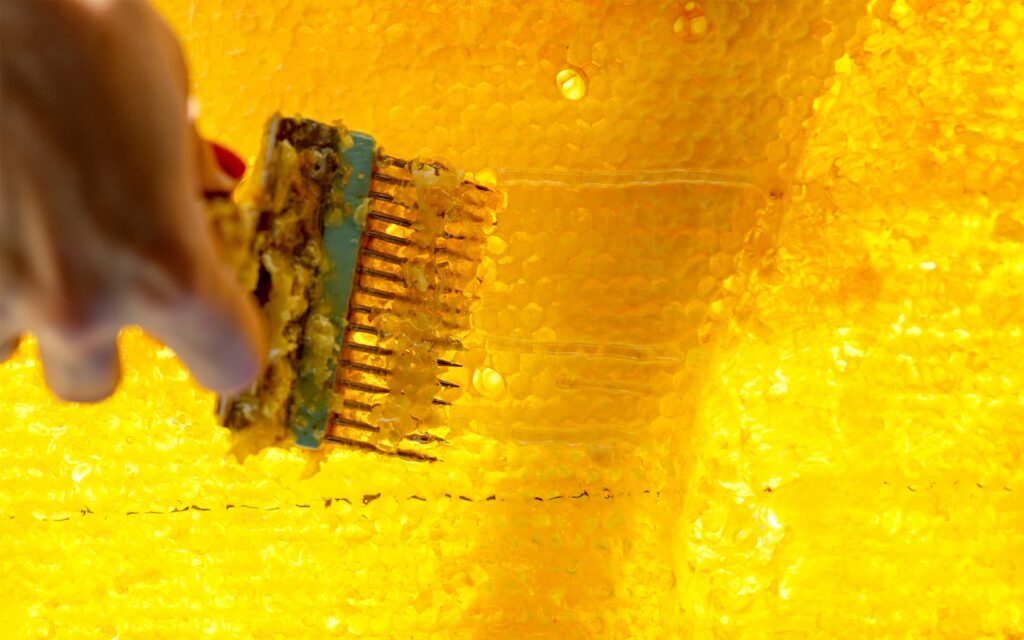
Bees gather nectar, add enzymes, evaporate moisture, and transform it into something completely new.
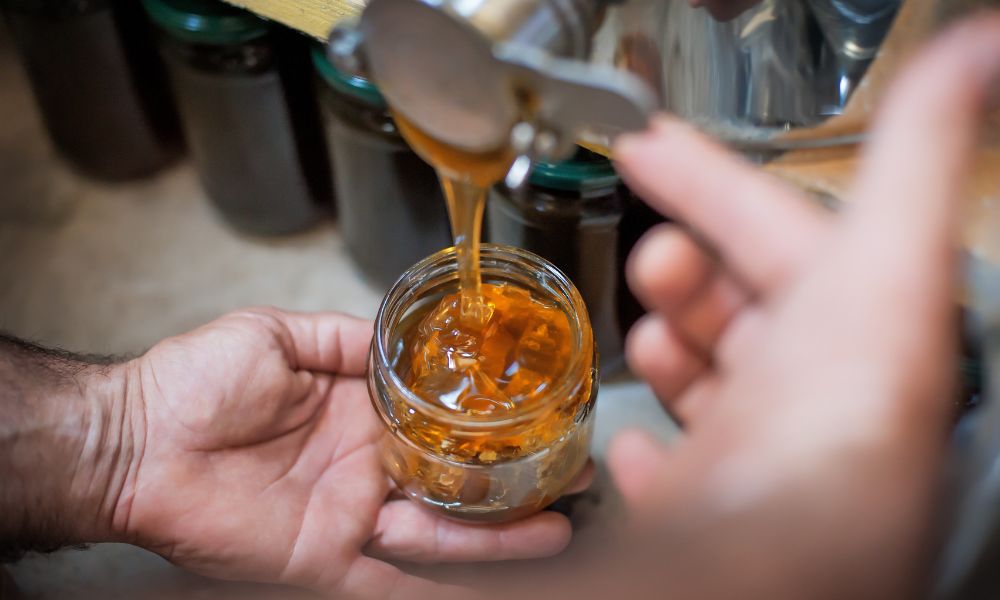
It’s the only insect-derived food humans eat directly, exactly as it’s produced — rich in natural enzymes, minerals, antioxidants, and trace nutrients that make it a true living food.
Diversity in Every Drop
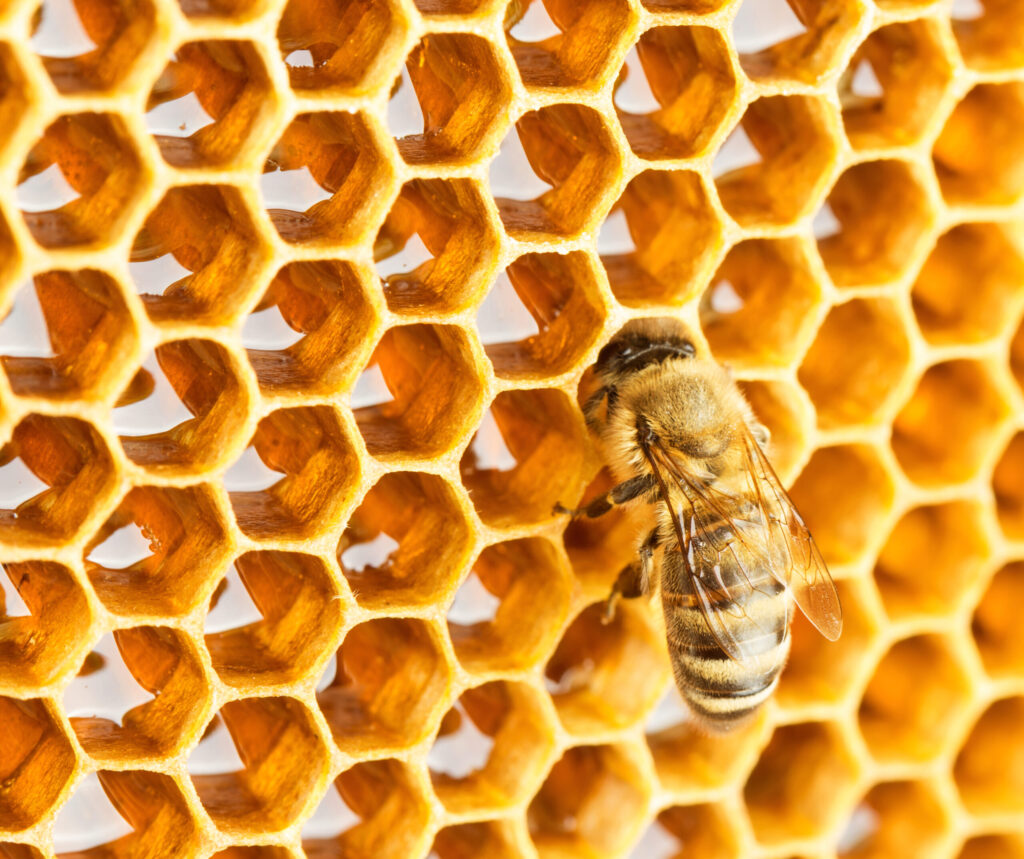
No two honeys are the same.
Each reflects its “terroir” — the flowers, soil, and seasons that shape it.
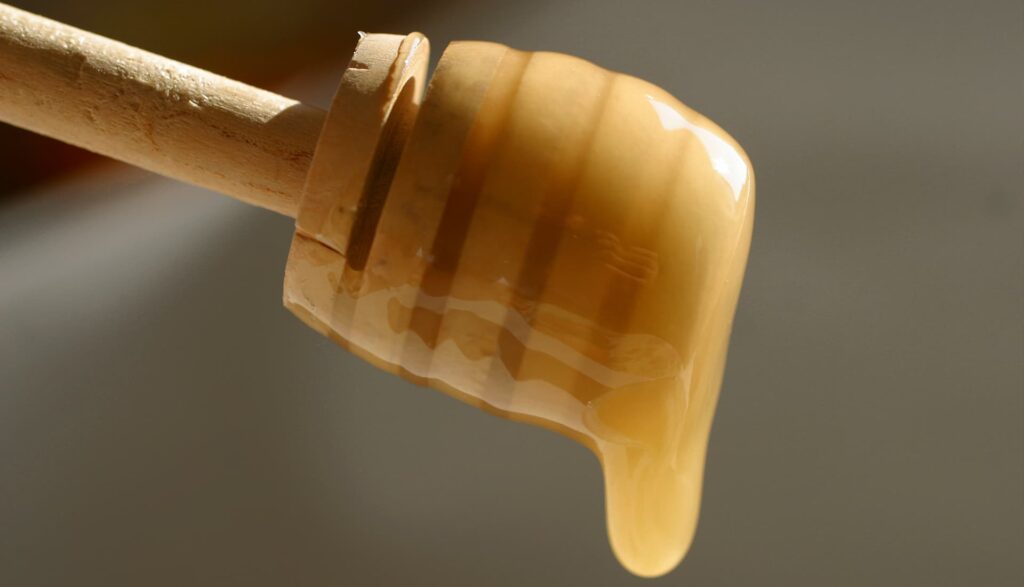
Color ranges from pale gold to deep amber. Flavor moves from delicate to bold. Crystallization, aroma, and viscosity all tell the story of where the bees have been.
Honey is graded by clarity, moisture, flavor, and floral source — but its beauty is in the variety. There is no single “perfect” honey, only authentic expression.
(You’ll find more on this under Varieties and Characteristics and our Sweetness Scale.)
The Modern Challenge: Keeping It Real
As global demand grows, so does temptation to cut corners. Adulterated or mislabeled honey now floods markets, undermining beekeepers and trust alike.
That’s why authentic sourcing and testing matter more than ever. When you choose verified, traceable honey, you’re not just protecting your brand — you’re protecting the bees, the farmers, and a tradition older than civilization itself.