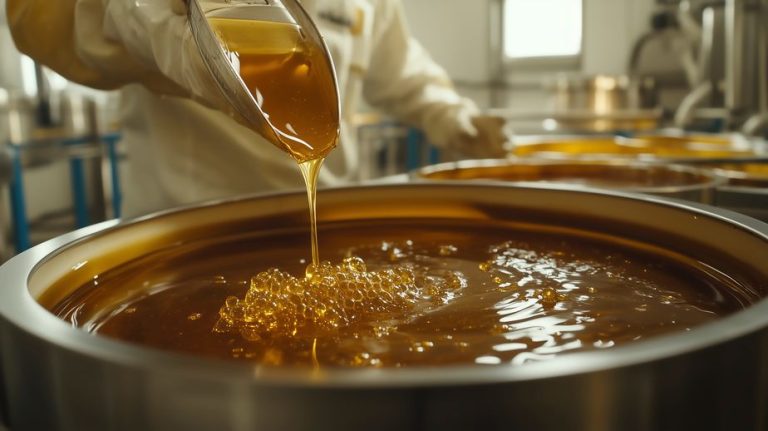
What to Know About Honey Contracts and Long-Term Supply Agreements

A competitive honey price today does not always mean predictable ingredient costs six months from now. For food manufacturers purchasing honey in bulk, changing market conditions, production demands, and delivery schedules can make it difficult to plan ahead with confidence. A well-planned honey supply agreement can help businesses establish clearer expectations around pricing, volume, quality,… Read more »
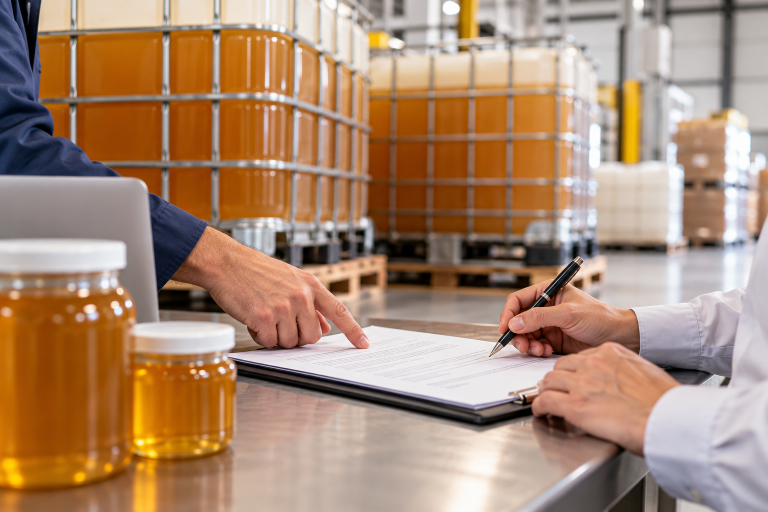
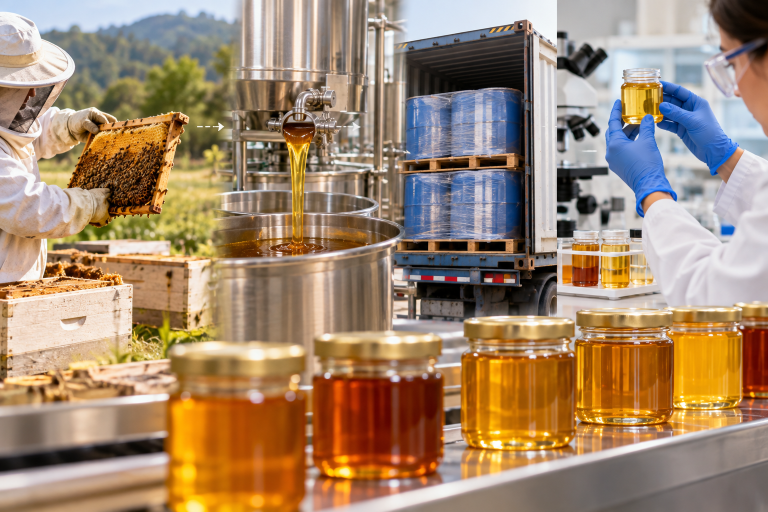
Understanding Honey Supply Chain Transparency

When a private label brand puts honey on the shelf, the supply chain behind that product may stretch far beyond the finished jar, but the brand name customers see on the package is yours. Honey can move from beekeeper to processor, exporter, importer, supplier, and manufacturer before it reaches the consumer. For private label brands,… Read more »

Honey Applications in Snack Manufacturing

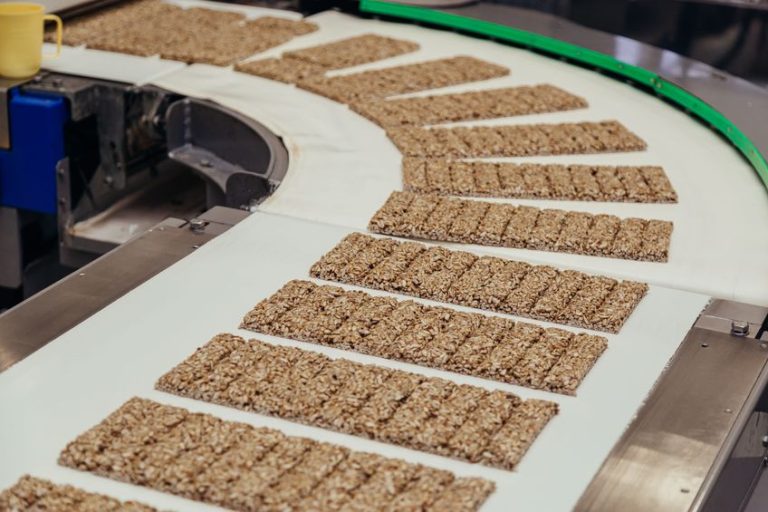
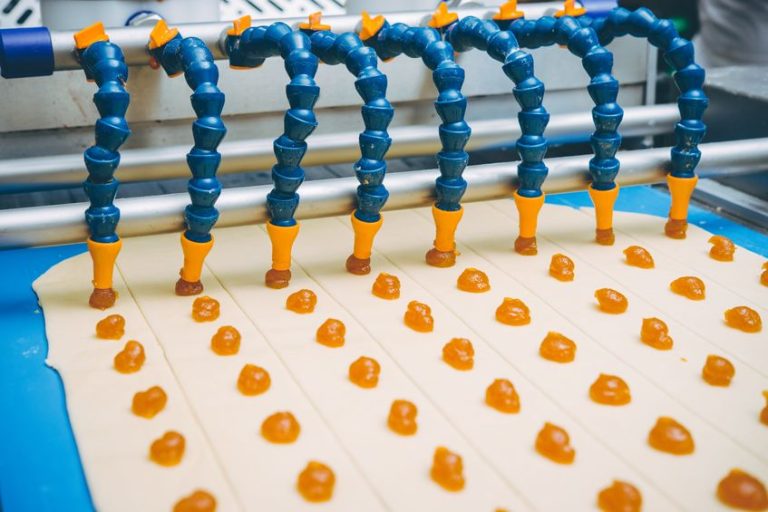
Snack products have to accomplish a lot in a small package. Flavor matters, but manufacturers must also consider texture, appearance, processing, ingredient statements, and how a product will perform throughout its shelf life. For bulk ingredient buyers, honey offers more than sweetness. Its flavor, color, moisture, and functional properties make it a versatile ingredient across… Read more »

How Pollen Analysis Helps Verify Honey Origins

When your brand name appears on a jar of honey, the information on the label matters. Claims about honey variety, floral source, or geographic origin can influence how consumers understand the product and what they expect when they open it. For private label brands, knowing where honey comes from is an important part of protecting… Read more »

Common Honey Testing Methods Explained

When honey is used across a menu, consistency matters. A change in flavor, color, moisture, or overall quality can affect everything from a signature cocktail to a glaze, dressing, or dessert. Chefs and foodservice professionals may never see most of the testing that happens before honey reaches their kitchens, but those quality checks can help… Read more »

The Difference Between Pure Honey and Adulterated Honey for Private Label Brands

Pure and adulterated honey may look nearly identical in a jar, but that does not mean they provide the same product. Honey contains more than naturally occurring sugars. It also contains compounds that contribute to its characteristics and beneficial properties. When authentic honey is diluted or replaced with undeclared sweeteners, the composition of the finished… Read more »

Using Honey as a Natural Sweetener in Commercial Products

Choosing a sweetener for a commercial product is about more than reaching a target sweetness level. The sweetener can also influence flavor, texture, moisture, color, processing, and the ingredient’s appearance on the finished product label. For manufacturers considering honey as a natural sweetener, the key is to understand how it fits into the overall formulation… Read more »

Why Color Consistency Matters in Commercial Honey

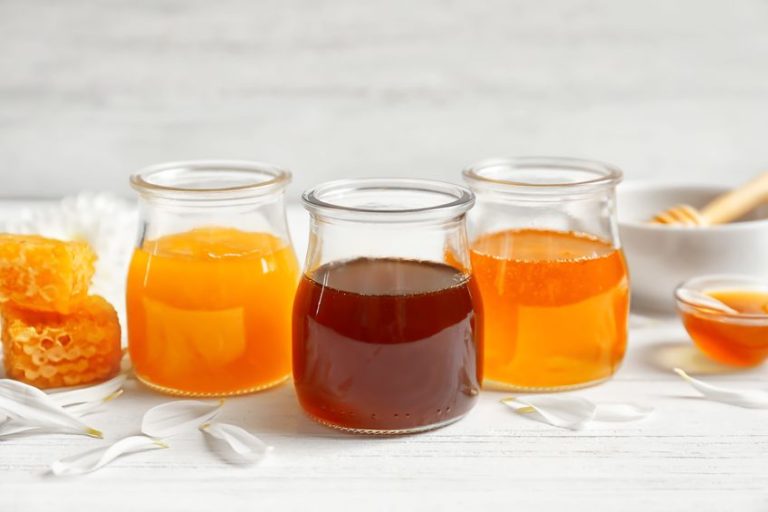
A small change in honey color may not seem significant until it changes the appearance of a finished product. For food manufacturers, color is more than a visual characteristic. It can be part of an ingredient specification that helps maintain consistency across production runs. Because honey naturally varies, manufacturers need to understand what drives those… Read more »

What to Look for in a Wholesale Honey Supplier

A wholesale honey supplier can meet your price target and still be the wrong fit for your operation. For food manufacturers, dependable sourcing also requires consistent specifications, documented traceability, quality controls, technical knowledge, and the ability to supply the right honey when production needs it. The right supplier should be able to answer questions about… Read more »

How Honey Adulteration Impacts Food Manufacturers

Honey adulteration is not only a problem for the honey industry. When an ingredient’s identity, origin, or composition cannot be verified, food manufacturers can face quality, formulation, labeling, and sourcing risks that extend well beyond the purchase order. For procurement, quality assurance, and R&D teams, the concern is simple: the honey entering a formulation needs… Read more »

Product Ideas Using Honey That Actually Work

Honey works best in product development when it does more than just sweeten. For food and beverage brands, honey can improve flavor, support texture, enhance moisture retention, and contribute to cleaner ingredient labels all at the same time. That is why more manufacturers are exploring honey not simply as a replacement for sugar, but as… Read more »

Using Honey as a Functional Sweetener in Product Development

For many food manufacturers, sweeteners are no longer judged by sweetness alone. Today’s R&D teams are evaluating how ingredients perform across texture, shelf life, flavor, label appeal, and overall product experience. That shift is one reason honey continues to gain attention as a functional sweetener rather than just a sugar replacement. Honey brings more to… Read more »