
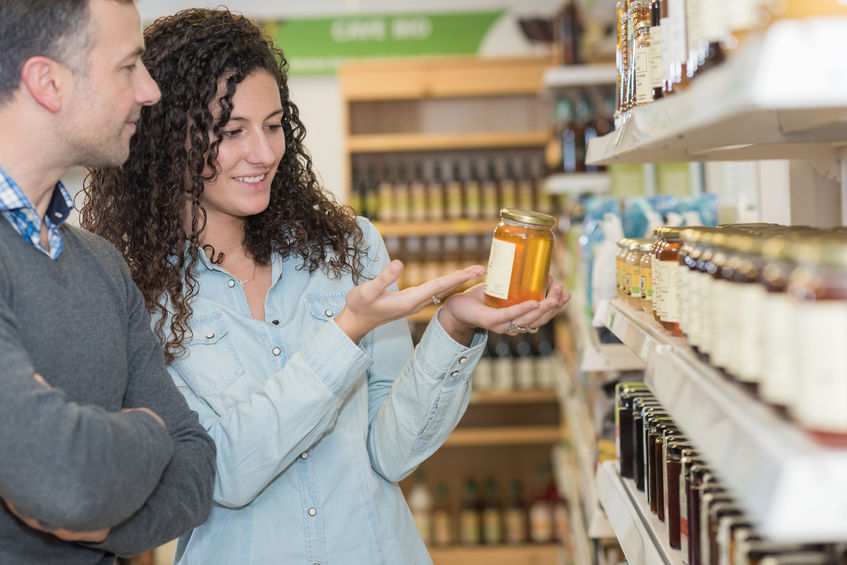
Walk down the honey aisle, and you’ll see the word “raw” everywhere. Raw honey, raw and unfiltered, raw local, raw organic. Raw honey drives sales. It sounds simple, but the truth is that the term “raw” is not regulated in the United States. That creates confusion for buyers and plenty of room for undisclosed definitions and a wide variance in quality.
So what is raw honey, really, and how is it different from conventional honey?
What Raw Honey Typically Means
In general terms, raw honey should refer to honey that has not heated to high temperatures. It is honey in its most natural state, lightly warmed (never above 115°F) for bottling, but otherwise untouched. It retains trace amounts of pollen, enzymes, minerals, and antioxidants that are often destroyed and filtered out in high heated and more processed honey.
Many consumers and manufacturers prefer raw honey because it maintains more of the honey’s natural characteristics and properties.
However, there is an important catch.
The Lack of a Clear Legal Definition
Unlike “organic,” which is governed by strict federal standards, “raw” lacks a universally enforced definition in the United States. That means different suppliers may use the term differently.
Some may heat honey slightly to improve flow during processing. Others may filter it more heavily to create a uniform appearance while some strain it to ensure it retains pollen. Both products might still be labeled “raw,” even though their handling and final characteristics differ.
Industry sources note that labels like “raw” and “unfiltered” are often loosely regulated, leading to inconsistent expectations for buyers.
This lack of standardization is one reason technical buyers often rely on supplier specifications, testing data, and certifications rather than label claims alone.
How Truly Raw Honey Differs From Conventional Honey
Conventional commercial honey is often highly heated and filtered. This process helps prevent crystallization and creates a clear, uniform product with a longer liquid shelf appeal.
Raw honey, on the other hand, is:
- Minimally heated or unheated
- Strained or unfiltered
- More likely to crystallize over time
- Richer in natural enzymes, pollen, and flavor compounds
Because of these differences, raw honey may vary more in color, taste, and texture from batch to batch. For manufacturers, that variability makes supplier expertise and consistent sourcing especially important.
Why Technical Standards and Traceability Matter
With no single legal definition of “raw,” the best assurance of quality comes from transparency. That includes:
- Traceable supply chains
- Third-party certifications
- Authenticity, purity and quality characteristics testing
- Clear processing specifications
Programs like True Source Certified verify the legal and ethical sourcing of honey through third-party audits. These types of programs help protect against adulteration and ensure that honey is what it claims to be.
Choosing the Right Raw Honey for Your Application
Raw honey can offer strong flavor, clean-label appeal, and functional benefits, but only when it is sourced and handled correctly. For food manufacturers and private label brands, consistency, documentation, and transparency matter just as much as the “raw” label itself.
At Honey Source, we work closely with customers to provide raw honey that meets strict quality, safety, and traceability standards. Whether you need a specific floral profile, color range, or performance characteristic, our team can help you find the right fit.
Request a free quote today and see how high-quality, responsibly sourced raw honey can support your next product.



Leave a Reply