

Not only is honey a sweetener, but it also provides a wide variety of other functional benefits:
- It is 1 to 1.5 times sweeter than conventional sugar which means less is more.
- Ability to create unbeatable flavors when combined with other ingredients.
- Rounds out flavor of other ingredients such as whole grains.
- Enhances color and mouthfeel.
- Can help extend shelf-life.
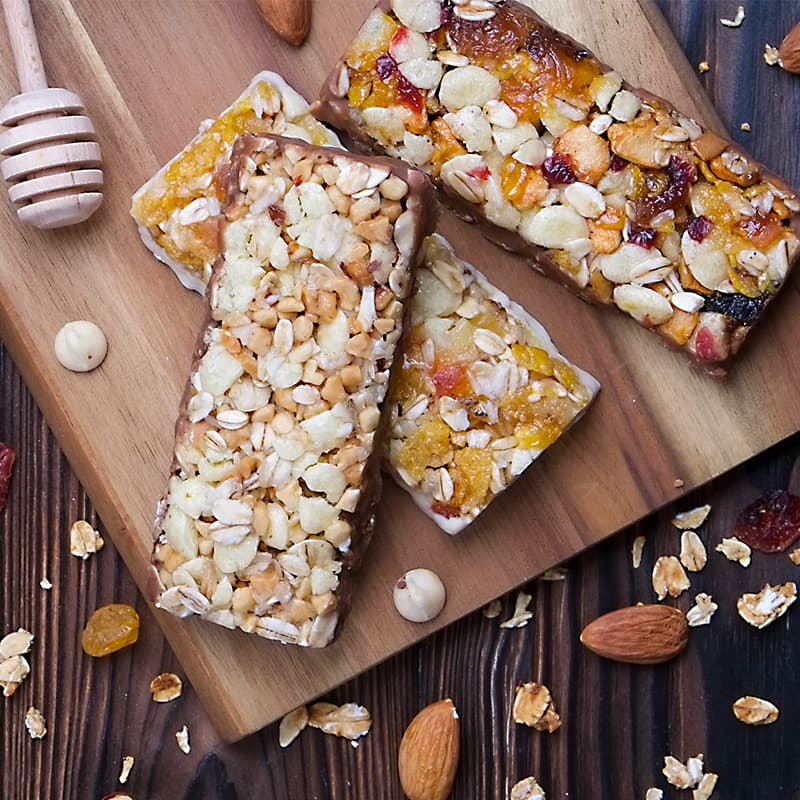
- Acts as a binding agent to hold ingredients together.
Nature’s Most Versatile Ingredient
Honey isn’t just sweet. It’s smart food science, perfected by bees. Because it’s naturally 1 to 1.5 times sweeter than sugar, you can use less to achieve the same impact; and still deliver better flavor.
But the real magic lies in how honey performs. Its natural humectant properties help foods retain moisture, keeping baked goods soft and chewy longer. Its organic acids and enzymes interact with other ingredients to deepen flavor and improve color development during baking or roasting.
That’s why you’ll find honey in everything from energy bars to artisan breads; it enhances flavor, binds ingredients, improves texture, and extends shelf life.
The Functional Edge
- Flavor synergy: Honey enhances and rounds out the flavor of grains, nuts, and spices.
- Color and texture: Promotes golden crusts, natural gloss, and satisfying mouthfeel.
- Natural binding agent: Holds ingredients together without artificial gums or syrups.
- Shelf stability: Reduces water activity and delays staling naturally.
Why It Matters
For manufacturers and chefs alike, honey bridges culinary craft and functional performance. It’s a single ingredient that satisfies clean-label demands while improving product quality, naturally.
More than 80% of U.S. consumers associate honey with being “flavorful, natural, and unprocessed,” signaling that when you use honey, you’re adding more than sweetness — you’re adding trust.