The Hard Truth About Honey Adulteration
Not all honey is what it claims to be. As one of the most adulterated foods in the world, fake honey floods markets, hurts beekeepers, and threatens bee health. Today, honey ranks among the three most adulterated foods on the planet, right next to olive oil and milk powder.
That’s not just a consumer issue. It’s a supply-chain problem that affects every company sourcing honey, every beekeeper trying to compete honestly, and every bee whose survival depends on responsible stewardship. Learn how testing, traceability, and honest sourcing protect both the product and the planet.
How We Got Here
Global demand for honey keeps rising while bee populations decline. The imbalance opened the door for shortcuts:
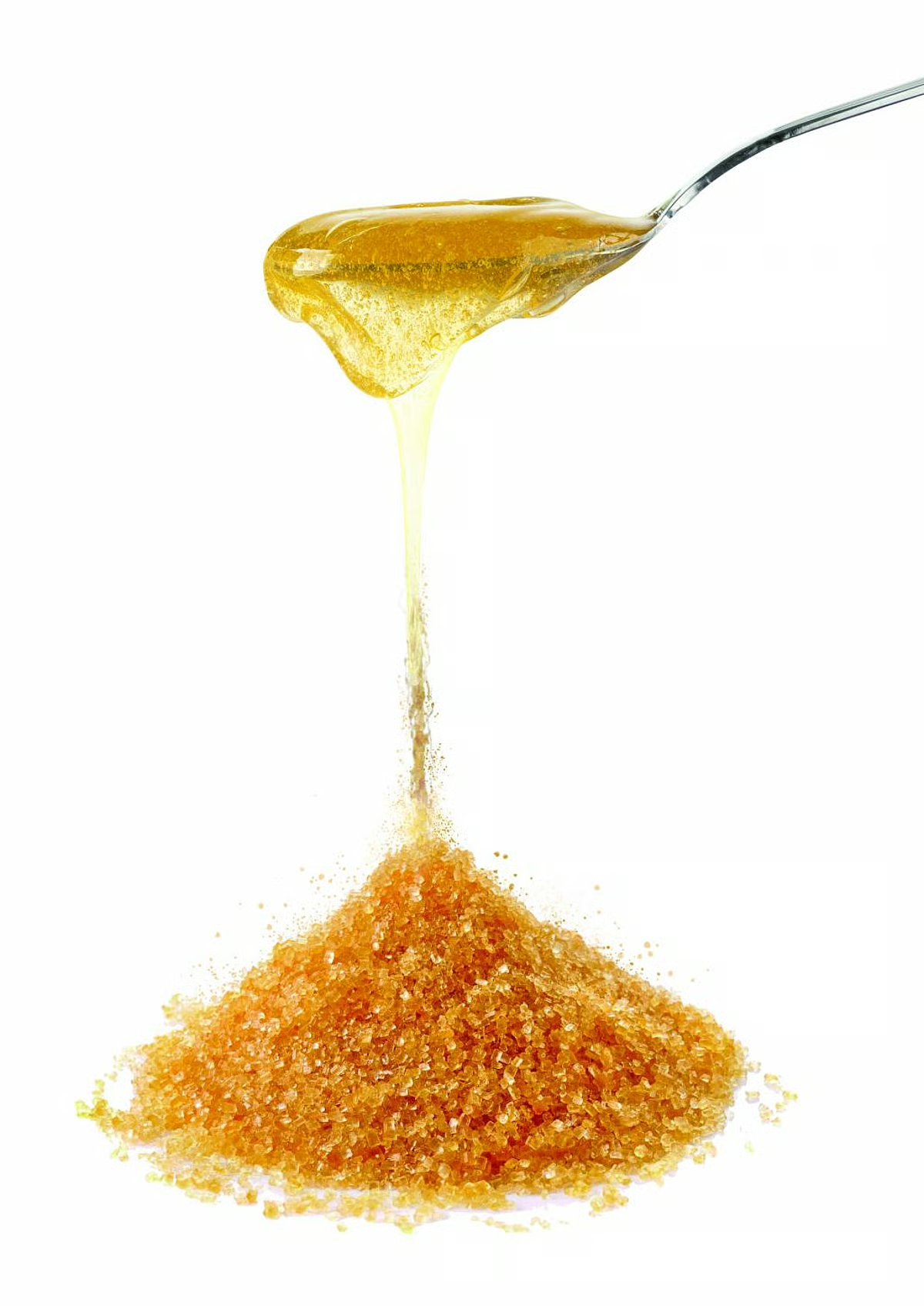
- Dilution with cheap syrups like rice, beet, or corn.
- Mislabeled origins to skirt tariffs or disguise lower-quality imports.
- Blending and filtering that strip away natural pollen (and traceability with it).
By the early 2000s, U.S. investigations exposed large-scale “honey laundering”; fake or smuggled honey flowing through shell companies and false ports of origin. It crashed prices and nearly crushed honest producers.
The Netflix series Rotten, episode “Lawyers, Guns & Honey,” laid this bare: how sophisticated fraud reshaped global trade, how regulators struggled to keep up, and how small beekeepers bore the brunt. It’s worth watching. It reminds us that transparency isn’t a marketing word; it’s survival.
What’s Really At Stake
Authenticity
Adulterated honey loses its enzymes, pollen, and depth of flavor; the fingerprints of the hive.
Fair Trade
Fraud drives down prices, forcing out legitimate beekeepers who can’t compete with counterfeit costs.
Bee Health
When beekeepers leave the business, fewer hives are maintained, which means fewer pollinators for crops. Protecting authentic honey supports bee populations.
Consumer Trust
Once buyers suspect what’s on shelves isn’t real, every brand suffers.
Certification & Traceability
The honey market spans continents. Every shipment can cross multiple brokers and borders before it hits a bottling line. That’s why third-party verification is essential.
Programs like True Source Certified® emerged to restore integrity; verifying country of origin, auditing exporters and packers, and confirming that what’s sold as honey truly is honey.
At Honey Source, we align with that standard because traceability from hive to jar isn’t optional anymore. It’s the only way to ensure fairness and sustainability in a fragile ecosystem.
The Role of Testing
New testing methods, including Nuclear Magnetic Resonance (NMR) and stable isotope analysis, can now identify even trace adulteration. Responsible buyers use these tools to verify every shipment and protect their supply chain.
Testing isn’t a box to check. It’s how we say to beekeepers, “Your work matters,” and to customers, “You can trust what’s inside this jar or in this product.”
Why It Matters for the Bees
When companies commit to verified, authentic honey, they help keep honest beekeepers in business. That means more managed hives, more pollination, and more protection for global food systems that depend on bees.
Real honey sustains more than taste. It sustains life.
The Honey Source Standard
At Honey Source, we partner only with transparent, tested, and ethically certified suppliers. We believe:
- Every jar, tub or barrel should have a story; and a traceable origin.
- Testing and certification protect both the product and the planet.
- Honesty builds the only kind of brand that lasts.
When honey is real, everyone wins; from the beekeeper to the buyer to the bee.