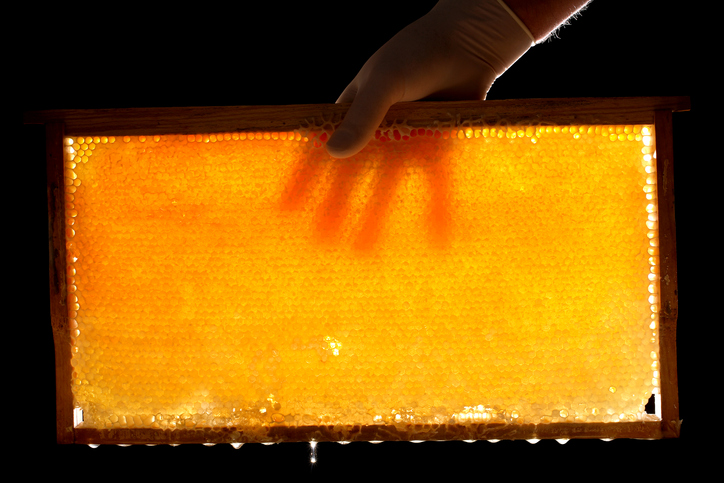
Common Honey Testing Methods Explained

When honey is used across a menu, consistency matters. A change in flavor, color, moisture, or overall quality can affect everything from a signature cocktail to a glaze, dressing, or dessert. Chefs and foodservice professionals may never see most of the testing that happens before honey reaches their kitchens, but those quality checks can help… Read more »

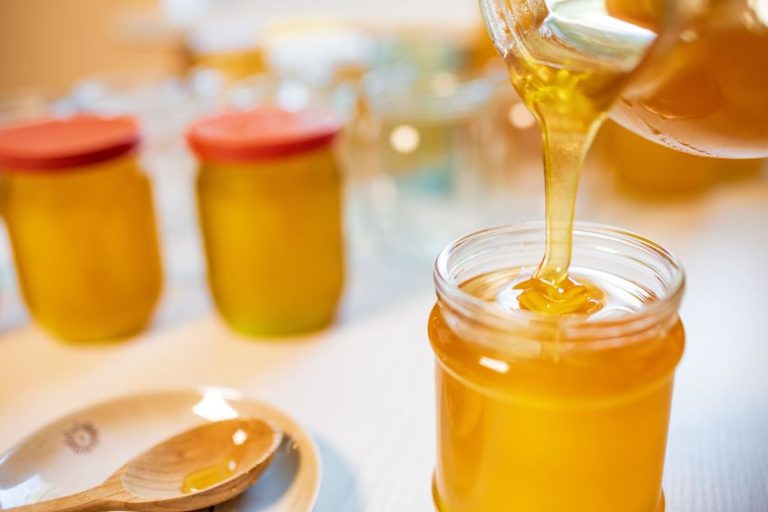
The Difference Between Pure Honey and Adulterated Honey for Private Label Brands

Pure and adulterated honey may look nearly identical in a jar, but that does not mean they provide the same product. Honey contains more than naturally occurring sugars. It also contains compounds that contribute to its characteristics and beneficial properties. When authentic honey is diluted or replaced with undeclared sweeteners, the composition of the finished… Read more »

How Honey Adulteration Impacts Food Manufacturers

Honey adulteration is not only a problem for the honey industry. When an ingredient’s identity, origin, or composition cannot be verified, food manufacturers can face quality, formulation, labeling, and sourcing risks that extend well beyond the purchase order. For procurement, quality assurance, and R&D teams, the concern is simple: the honey entering a formulation needs… Read more »

Honey Fraud Explained: How to Spot Fake Honey and Why It Matters

You know that moment when you grab a honey bottle, a box of cereal, a beverage off the shelf because the label says, “honey,” and you want to believe it? Most shoppers do.And that trust is exactly what adulterated honey banks on. Counterfeit honey isn’t a fringe issue or a rare scandal. It’s a persistent,… Read more »