
The recently updated food pyramid signals a meaningful shift in how nutrition experts, food manufacturers, and consumers think about food. Rather than focusing solely on calories or macronutrients, the new guidance emphasizes food quality, ingredient integrity, and the level of processing before food reaches the plate.
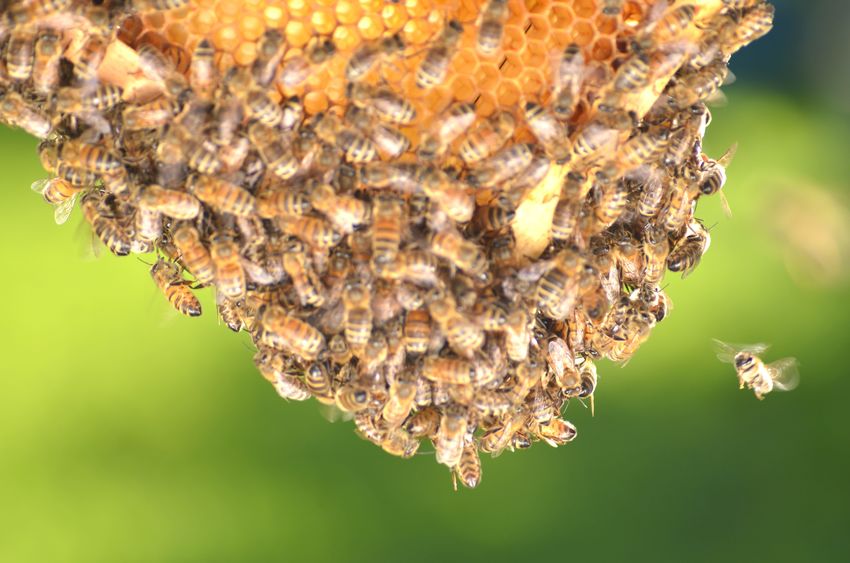
At its core, this shift is not just about what we eat, but where it comes from. Bees and beekeepers play a central role in producing many of the real, nutrient-dense foods highlighted in the new pyramid. Among these, honey stands out as a uniquely valuable sweetener because it is minimally processed, retains beneficial nutrients, and is derived directly from nature.
As the focus moves toward real ingredients, it also points back to the natural processes and people that make those ingredients possible.
A Shift Away From Ultra-Processed Foods
Highly processed foods have played a major role in modern diets because they are convenient, shelf-stable, and inexpensive to produce. Over time, however, research and consumer awareness have raised concerns about diets built too heavily around refined sugars, artificial additives, and long ingredient lists.
The updated food pyramid reflects this evolving understanding. It favors foods that are closer to their natural state and places less emphasis on products that rely heavily on processing to create flavor, texture, or shelf life. This does not suggest that all processing is harmful, but it does highlight the difference between minimal processing and ultra-processing.
The Role of Bees in a Real Food System
As the conversation shifts toward real ingredients, it is important to recognize the role bees play in making those foods possible. Bees pollinate many of the fruits, vegetables, nuts, and seeds that form the foundation of a healthy diet.
Without pollination, many of the foods emphasized in the new food pyramid simply would not exist at scale. In that sense, bees are not just part of the food system. They are central to it.
Beekeepers, in turn, act as stewards of this system. They manage hive health, support pollination, and ensure bee populations remain strong enough to sustain both agriculture and the broader food supply.
Why Ingredient Simplicity Matters
One of the clearest messages from the new food pyramid is its alignment with consumer expectations around transparency. More people are reading labels, questioning unfamiliar ingredients, and choosing foods made with components they recognize.
This focus on real ingredients supports the broader clean-label movement across the food industry. Natural sweeteners, whole grains, and minimally refined ingredients are increasingly preferred over synthetic alternatives.
Honey fits naturally into this shift. As a direct product of pollination, honey is one of the simplest sweeteners available. It is minimally processed, widely recognized, and valued for its natural composition, including trace antioxidants, amino acids, and vitamins. In many ways, it represents exactly the kind of ingredient the updated guidance is encouraging.
What the New Pyramid Signals for Food Brands
For food brands and manufacturers, the updated pyramid reinforces trends already shaping product development. Reformulation efforts are focused on reducing unnecessary additives, simplifying ingredient decks, and highlighting natural components.
Using ingredients like honey not only supports cleaner labels but also connects products back to the agricultural systems that make them possible. It is a way to align product formulation with both consumer expectations and the broader movement toward real food.
A Reflection of Where Food Is Headed
The new food pyramid does not demand perfection or eliminate entire food categories. Instead, it reflects a growing consensus that ingredient quality matters and that foods made with care, clarity, and intention deserve a larger place in modern diets.
At Honey Source, we see this shift every day as brands look for ingredients they can confidently stand behind. As the food industry continues to evolve, the focus on real ingredients is becoming a foundation for how food is developed, marketed, and trusted.
We work closely with food brands and manufacturers to provide high-quality honey with clear sourcing, consistent performance, and the transparency today’s consumers expect. Request a free quote to learn how our ingredients can support cleaner labels, thoughtful formulation, and products built on real ingredients.


Leave a Reply