
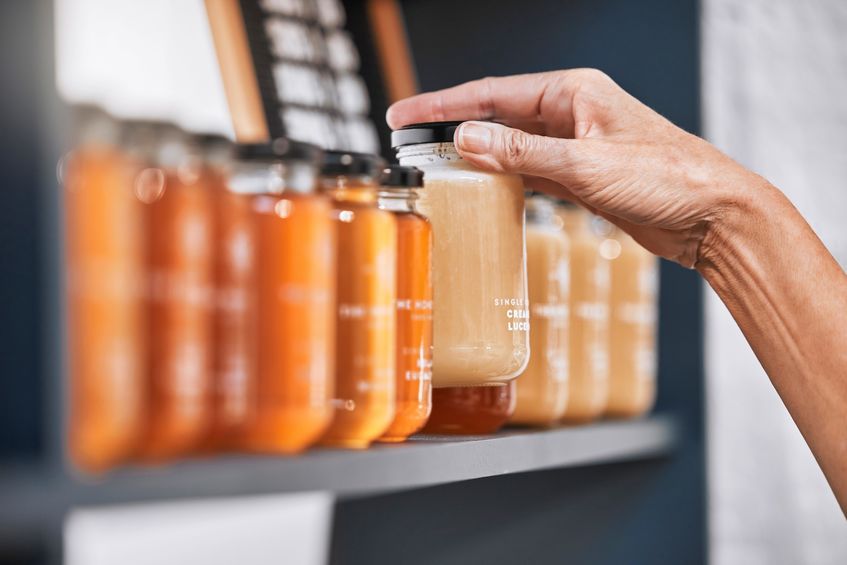
Today’s grocery shoppers have plenty of choices when it comes to sweeteners. From traditional sugar and maple syrup to alternative sweeteners, consumers can find a wide range of products that fit different preferences and lifestyles.
For retailers and private label brands, this creates an opportunity to position honey as more than another sweetener on the shelf. Its natural origins, familiar flavor, and versatility in everyday foods can help make it appealing to shoppers interested in more mindful food choices.
But attracting those shoppers takes more than putting honey in a jar. The right product selection, packaging, and messaging can help private label honey stand out and give customers a reason to add it to their carts.
Understand What Health-Conscious Shoppers Are Looking For
Health-conscious shopping doesn’t mean every consumer is looking for the same thing. Some prioritize recognizable ingredients, while others focus on organic products, sourcing transparency, or reducing highly processed foods in their diets.
Honey can appeal to several of these preferences because it’s a familiar sweetener with a simple ingredient identity.
However, it’s important to communicate its benefits accurately. Honey is still a source of added sugar in the diet, and although it naturally contains small amounts of antioxidants and other compounds, it shouldn’t be marketed as a sugar-free or low-calorie alternative.
According to the FDA’s guidance on added sugars, honey contributes added sugars to the diet, making accurate nutritional messaging especially important.
For private label brands, the opportunity is to emphasize honey’s natural origins, flavor, and versatility without making exaggerated health claims.
Offer Honey Varieties That Appeal to Different Preferences
Not every shopper is looking for the same type of honey. Offering a thoughtful selection can help retailers appeal to different customers and create opportunities beyond a single traditional honey product.
For example, a private label honey assortment might include:
- Raw and unfiltered honey for shoppers interested in less-processed product options.
- Organic honey for customers who prioritize certified organic products.
- Floral varieties such as clover or orange blossom for consumers interested in exploring different flavors.
- Creamy honey for shoppers looking for a spreadable alternative to traditional liquid honey.
Providing options at different price points and in different formats can help retailers reach more customers.
The goal isn’t necessarily to offer every variety available. It’s to build an assortment that reflects what shoppers are looking for while giving them clear reasons to choose one product over another.
Make Packaging and Labeling Part of the Selling Strategy
Even a high-quality honey product can get overlooked if its packaging doesn’t communicate what makes it different.
Clear labels can help shoppers quickly identify the honey variety, product attributes, and potential uses. Features such as organic certification, floral source, or verified sourcing may also help distinguish products when those claims are properly supported.
Packaging format matters, too. Squeeze bottles offer convenience for everyday use, while glass jars may appeal to shoppers looking for a more traditional or premium presentation.
Exploring different retail honey products can help retailers determine which packaging styles, sizes, and varieties best fit their customers.
When developing packaging, retailers should also follow the FDA’s guidance for labeling honey products to ensure product descriptions and claims are accurate.
For retailers developing a private label program, choosing the right combination of honey varieties, packaging sizes, and product messaging can help create a more recognizable presence on grocery shelves.
Show Shoppers How Honey Fits Into Everyday Meals
One way to encourage honey purchases is to remind consumers how many ways they can use it.
While shoppers may associate honey primarily with tea or toast, it can also complement foods and beverages they already enjoy.
Retailers can highlight applications such as adding honey to yogurt and oatmeal, pairing it with fresh fruit, incorporating it into homemade salad dressings, or using it in marinades and glazes.
These ideas can come to life through recipe cards, seasonal displays, shelf signage, and social media content. Cross-merchandising honey alongside products like tea, yogurt, baking ingredients, or fresh fruit can also help shoppers discover new ways to use it.
By connecting honey to foods customers already purchase, retailers can create additional opportunities for impulse purchases and encourage shoppers to make honey a regular part of their grocery lists.
Turn Consumer Interest Into Private Label Sales
Successfully positioning private label honey involves connecting consumer preferences with the right product offerings.
A shopper interested in organic foods may be drawn to certified organic honey. Someone looking for convenient everyday ingredients might prefer a squeeze bottle. A customer exploring new flavors may be interested in a distinctive floral variety.
Retailers can use these preferences to guide assortment planning, packaging decisions, and promotional campaigns.
Rather than relying on broad wellness messaging, focus on specific reasons a customer might choose the product. Authenticity, flavor, convenience, and versatility can all contribute to a stronger retail offering.
Build a Private Label Honey Program That Stands Out
Health-conscious consumers represent an opportunity for private label honey brands, but getting products off the shelf requires more than following food trends.
The most effective approach connects product selection, clear messaging, convenient packaging, and everyday usage inspiration to the needs of the retailer’s customers.
At Honey Source, we help businesses develop private label honey programs with a range of honey varieties, sourcing options, and packaging formats. Whether you’re expanding an existing assortment or introducing a new honey product, request a quote to explore options for your retail brand.




Leave a Reply