You know that moment when you grab a honey bottle, a box of cereal, a beverage off the shelf because the label says, “honey,” and you want to believe it?
Most shoppers do.
And that trust is exactly what adulterated honey banks on.
Counterfeit honey isn’t a fringe issue or a rare scandal. It’s a persistent, global problem driven by simple economics. Real honey is expensive. Real honey takes time, healthy bees, skilled beekeepers, and favorable conditions. Fake honey takes cheap syrups, and a supply chain built to hide details.
When profit matters more than integrity, authenticity is often the first thing to disappear.
Why Fake Honey Exists in the First Place
Adulterating honey is profitable. Cutting real honey with corn syrup, rice syrup, or other sophisticated sugary syrups (i.e. beet sugar syrup) lowers costs dramatically while still being sold as “honey.” Once those blends enter complex global supply chains, tracing what’s real and what isn’t becomes difficult for regulators and nearly impossible for consumers.
And no, your eyes and taste buds won’t save you. Color, thickness, and flavor tell you almost nothing. Modern syrups are engineered to mimic honey closely enough that even experienced buyers can’t reliably spot fraud without testing and a certified supply chain.
Labels Can Mislead More Than They Help
Honey makes everything better! There is no other sweetener that resonates with purity, simplicity, good for you and good for the planet than honey. This makes it the time tested premium sweetener to put on a product label. “Sweetened with Honey” and once it is in the cereal, iced tea, etc who really knows if it was real honey.
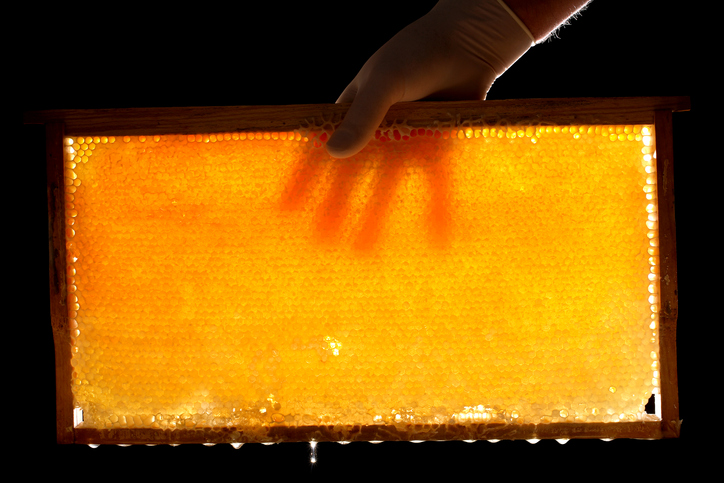
Real honey has character. It reflects season, region, and floral source. When every bottle tastes identical and offers no meaningful sourcing details, that’s usually not a coincidence.
What Actually Confirms Honey Is Real
If you want to avoid fake honey, here’s what actually matters:
- Certified Full traceability
If a brand can’t explain where the honey came from and how it moved through the supply chain, that’s a red flag. - Certified Authenticity testing
Lab testing is the only reliable way to confirm honey purity. Not all tests are equal, but transparency about testing is non-negotiable. - Pricing that makes sense
Honey has real production costs. When the price seems too good to be true, it is. - Clear country-of-origin information
The Real Impact of Honey Fraud on Quality and Trust
Honey isn’t just another sweetener. It has nutritional value, cultural significance, and deep agricultural importance. Adulteration doesn’t just deceive consumers, it undercuts ethical beekeepers and devalues a product that deserves better.
At Honey Source, we believe honesty belongs in the supply chain, not just the marketing. That means traceability, rigorous testing, and partnerships that reward real beekeeping, not shortcuts. So our honey is True Source Certified, meaning it has been verified for its origin and authenticity.
National I Love Honey Day on December 18th is a reminder to care about what’s in the bottle, the foods made with honey and the beverages sweetened with honey, who produced it, and whether the system behind it rewards real beekeeping or shortcuts.
If you love honey, don’t settle for fakes!
Request a free quote for honey you can trust and work with a supplier that treats honey with the respect it deserves—from hive to finished product.


Exactly why I buy from Glorybee!