
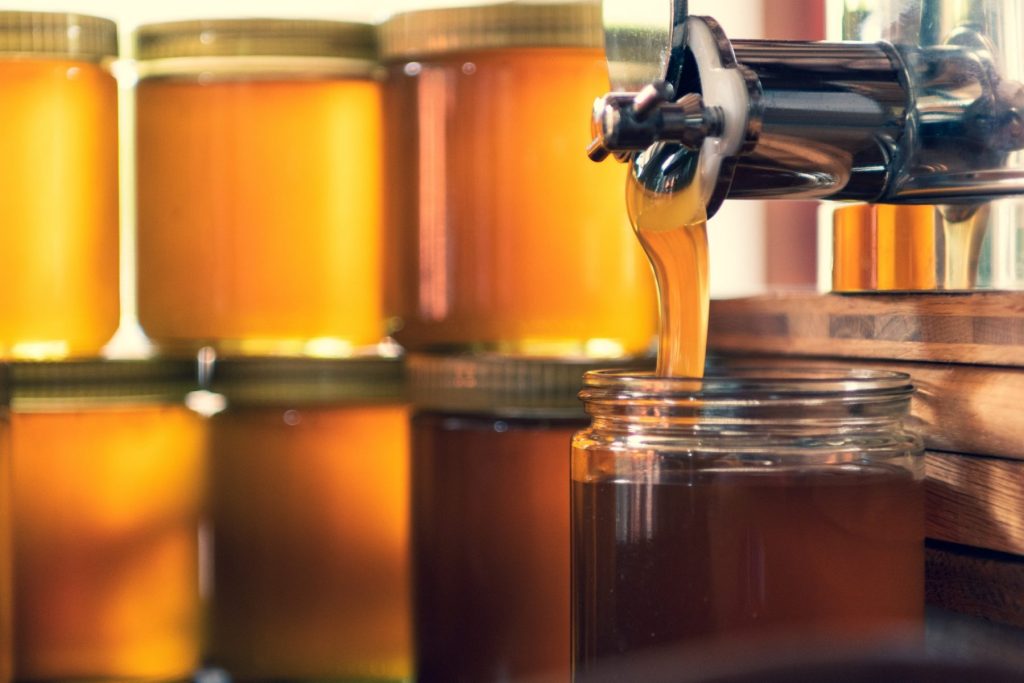
For many food manufacturers, sweeteners are no longer judged by sweetness alone. Today’s R&D teams are evaluating how ingredients perform across texture, shelf life, flavor, label appeal, and overall product experience. That shift is one reason honey continues to gain attention as a functional sweetener rather than just a sugar replacement.
Honey brings more to a formulation than sweetness. It can improve moisture retention, support browning, enhance flavor complexity, and help products align with growing consumer demand for recognizable ingredients.
More Than Just Sweetness
Honey delivers sweetness differently than refined sugar. Because of its natural fructose content, honey can often taste sweeter at lower usage levels in certain applications. This allows formulators to balance sweetness while also gaining additional functional benefits.
At the same time, honey contributes flavor in a way that refined sweeteners cannot. Depending on the floral source and color, honey can introduce subtle caramel, floral, fruity, or earthy notes that add depth to finished products. That complexity is especially valuable in baked goods, snack bars, cereals, sauces, and beverages where flavor differentiation matters.
Moisture Retention and Texture Benefits
One of honey’s most important functional advantages is its humectant property, meaning it naturally attracts and retains moisture. In commercial baking and snack production, this can help products stay softer and fresher over time.
Honey is commonly used to:
- Maintain chewiness in granola bars and cookies
- Improve softness in cakes and muffins
- Reduce dryness in cereals and baked snacks
- Support longer-lasting texture stability
For R&D teams, these performance benefits can improve product quality while potentially reducing reliance on additional stabilizers or moisture-retention ingredients.
Natural Browning and Visual Appeal
Honey also supports browning during baking through natural sugar reactions that create rich color and appealing surface texture. This can enhance the appearance of breads, snack products, cereals, and baked goods while also contributing to flavor development.
These characteristics help manufacturers create products that look and taste more premium without relying heavily on artificial additives or flavor enhancers.
Why Brands Are Exploring Honey
The push toward cleaner labels and simpler ingredient statements continues to influence product development across the food industry. Consumers increasingly recognize and trust ingredients that feel familiar and minimally processed.
Honey fits naturally into this movement. It is widely recognized, versatile across applications, and associated with authenticity and transparency. For brands reformulating products or developing new ones, honey can support both formulation performance and consumer perception simultaneously.
Choosing the Right Honey for Your Application
Not all honey performs the same way in manufacturing environments. Color, flavor profile, moisture content, and floral source can all affect how honey behaves in a finished product. That is why consistency and supplier expertise matter.
At Honey Source, we work closely with R&D teams and manufacturers to help identify the right honey for each application, whether the goal is flavor enhancement, moisture control, clean-label appeal, or functional performance.
Request a free quote today to learn how Honey Source can help support your next formulation with high-quality bulk honey designed for consistency, performance, and transparency.




Leave a Reply