
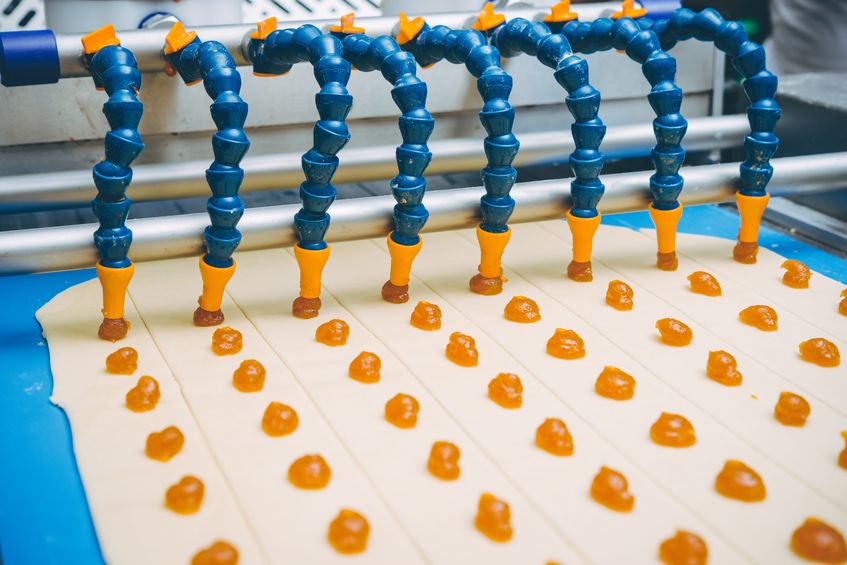
Choosing a sweetener for a commercial product is about more than reaching a target sweetness level. The sweetener can also influence flavor, texture, moisture, color, processing, and the ingredient’s appearance on the finished product label.
For manufacturers considering honey as a natural sweetener, the key is to understand how it fits into the overall formulation rather than treating it as a direct replacement for another sugar or syrup.
Honey Is Not a One-for-One Sugar Replacement
Honey and granulated sugar can both provide sweetness, but they do not behave exactly the same way in a formulation.
Honey contains naturally occurring glucose and fructose along with water and other components. It can also be sweeter than conventional sugar, which means manufacturers need to evaluate both sweetness and the amount of honey required for a particular application. Honey can be approximately 1 to 1.5 times sweeter than conventional sugar.
Because honey also introduces moisture, replacing a dry sweetener may require adjustments elsewhere in the formulation. The appropriate substitution will depend on the product, desired sweetness, processing conditions, and other ingredients being used.
For R&D teams, reformulating with honey should therefore begin with testing rather than assuming an equal substitution will deliver the same result.
Consider the Flavor You Want Honey to Provide
One advantage of honey is the variety of flavor profiles available.
Honey can range from mild and delicate to bold and distinctive depending on its floral source and other natural factors. Honey Source offers varieties selected for different flavor and color characteristics and can also provide custom blending when an application requires a particular profile.
A mild honey may work well when a manufacturer wants sweetness without a pronounced honey flavor. A more distinctive variety may be useful when honey is intended to become part of the product’s flavor identity.
That versatility makes honey suitable for applications ranging from breads, cereals, and snack bars to beverages, sauces, dressings, dairy products, and confections.
Account for Moisture, Texture, and Binding
Sweetness may be the reason honey enters the formulation conversation, but its other functional characteristics can influence the finished product.
Honey’s humectant properties help retain moisture, which is useful in products where softness or moisture retention is desirable. Honey can also enhance mouthfeel and serve as a binding ingredient in applications such as cereal and snack bars.
These characteristics illustrate why manufacturers should evaluate honey within the entire formulation. Changing the sweetener may affect more than sweetness alone.
Understanding the desired texture, moisture level, and product structure can help R&D teams determine how much honey to use and what other formulation adjustments may be necessary.
Think About Color and Processing
Honey can also affect the appearance of a commercial product.
Natural honey ranges from very light to dark amber, and the variety selected can influence the color of the finished formulation. When appearance needs to remain consistent across production runs, manufacturers may want to establish specific color parameters for the honey they purchase.
Our guide to commercial honey color consistency explains why color can become an important part of the ingredient specification.
Heating adds another consideration. Honey can contribute to browning and flavor development in baked and cooked applications, so processing temperature and time should be evaluated during product development.
Consider What Honey Adds to the Ingredient Statement
Honey also offers manufacturers a familiar ingredient name, but that does not remove the need for accurate labeling. The FDA provides guidance for properly labeling honey and honey products, including products that combine honey with other sweeteners.
For brands developing products around recognizable ingredients, honey can provide sweetness without requiring an unfamiliar sweetener name on the ingredient statement. This can make it useful when formulation goals include a straightforward ingredient story.
However, manufacturers should evaluate labeling claims carefully. Using honey does not automatically make a finished product “clean label,” “natural,” or healthier. Those decisions depend on the complete formulation, applicable regulations, and the claims a brand intends to make.
The advantage is that honey can combine consumer familiarity with useful formulation characteristics.
Select Honey for the Application
There is no single honey that is right for every commercial product.
Manufacturers should consider desired sweetness, flavor, color, moisture, texture, processing conditions, certifications, and production volume when selecting a honey. Understanding different honey types and uses can help narrow the options before moving into formulation testing.
Consistency matters once the product reaches commercial production as well. Working with a supplier that understands food manufacturing can help ensure the selected honey continues to meet established specifications from one order to the next.
Honey Source supports manufacturers with honey selection, sourcing, blending, quality control, and technical guidance for commercial applications.
Ready to evaluate honey for your formulation? Request a quote to discuss your application and sourcing requirements.




Leave a Reply