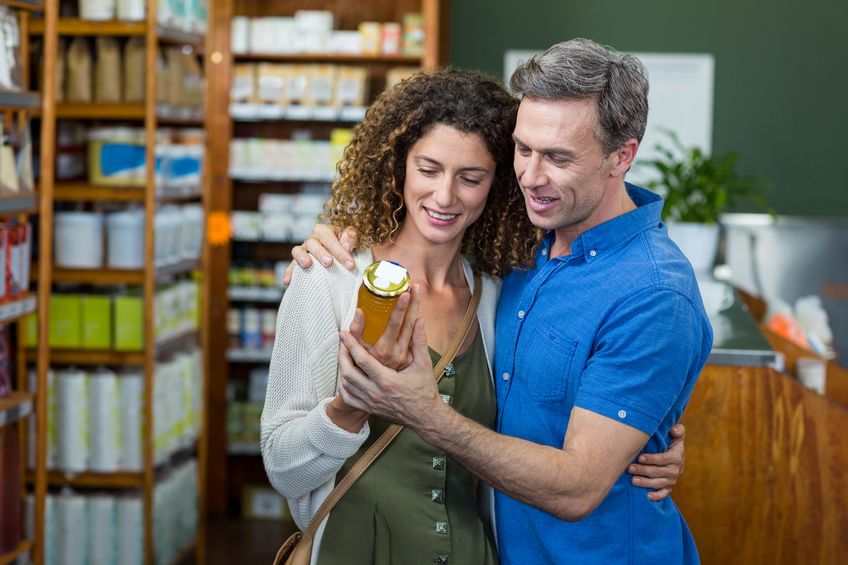
When shoppers walk down the honey aisle, they have plenty of options to choose from. From traditional honey bears to premium glass jars, different brands compete for attention with their packaging, product claims, and honey varieties. For retailers developing their own honey products, standing out means giving customers a clear reason to choose their brand.
One way to do that is to appeal to shoppers who value recognizable ingredients, straightforward labels, and transparency about what they buy. As interest in clean-label products continues, private label honey brands have an opportunity to highlight what makes their offerings unique while building customer confidence.
Understand What Clean-Label Shoppers Want
Clean label is a term commonly used to describe products with recognizable ingredients, simple ingredient lists, and clear information about what consumers are buying. Although there is no single universally accepted definition, the general idea is that shoppers want to better understand what’s in their food.
For retailers, honey offers a straightforward product story. Pure honey is a familiar ingredient that doesn’t need a long list of additives to explain what it contains. However, marketing a product as clean label shouldn’t automatically imply that it is organic, healthier, or free from processing. Instead, retailers should focus on communicating accurate information about their honey, including its ingredients, sourcing, and distinguishing characteristics.
Highlight the Differences Between Raw and Organic Honey
Offering different honey varieties can help retailers appeal to shoppers with specific preferences. Two options worth considering are raw honey and organic honey.
Raw honey generally appeals to consumers interested in honey that has undergone limited processing. However, because the term “raw” does not have one universally established regulatory definition, retailers should understand how raw honey is processed and what to look for before making specific claims.
Organic honey, on the other hand, appeals to shoppers who prioritize certified organic products. Organic certification involves defined production and handling requirements, making it important for brands to verify that their honey meets the applicable standards.
While both varieties may appeal to clean-label shoppers, they represent different product characteristics. Clearly explaining those differences can help customers choose the honey that best fits their preferences.
Make Transparent Labeling a Priority
A honey label does more than identify the product. It gives shoppers information they can use to compare brands and decide what belongs in their carts.
For private label honey, transparency starts with accurate product descriptions. Depending on the honey and the claims that can be supported, retailers may highlight its floral variety, geographic origin, organic certification, or other distinguishing features.
For example, a jar of clover honey may appeal to shoppers looking for a familiar, mild flavor, while orange blossom honey can attract customers interested in exploring different varieties. Clear descriptions help shoppers understand what makes each product different without relying on vague marketing language.
Retailers should also ensure that claims such as raw, organic, or locally sourced are accurate and supported by appropriate supplier documentation. Honest labeling can help establish trust and give customers confidence in the products carrying a retailer’s name.
Choose Honey Packaging That Reflects Your Brand
Even when shoppers are interested in clean-label honey, packaging can influence which product they notice first. The right presentation should communicate the product’s identity while making it convenient to use.
Different honey packaging options can appeal to different customers. Glass jars may support a traditional or premium appearance, while plastic squeeze bottles and honey bears offer convenience for everyday use.
Label design also matters. Readable fonts, clear product descriptions, and thoughtful use of colors can help communicate a brand’s personality without overwhelming customers with unnecessary claims. Simple label designs that make ingredients, certifications, and sourcing information easy to identify can also appeal to shoppers who prioritize transparency. For retailers, the goal is to choose packaging that complements the honey inside while making important product information easy to find.
Differentiate Your Honey Beyond the Label
Standing out in a competitive retail environment takes more than attractive packaging. Private label brands can also create distinction through the honey varieties and product experiences they offer.
For example, retailers might introduce specialty floral varieties, creamy honey, or infused options such as hot honey to appeal to shoppers looking for something different. A carefully selected assortment can appeal to different tastes, shopping preferences, and occasions while giving customers more reasons to explore the brand.
Retailers can also use shelf signage, product descriptions, and educational content to explain honey varieties, sourcing practices, and suggested uses. These details help shoppers understand the value of each product and can encourage them to try something new.
Develop Private Label Honey Products With Honey Source
Appealing to clean-label shoppers starts with understanding what matters to your customers. Recognizable ingredients, transparent labeling, thoughtful packaging, and distinctive honey varieties can all help create a stronger private label offering.
At Honey Source, we help retailers and brands develop private label honey products with a variety of sourcing options, honey types, and packaging formats. Whether you’re introducing a new product or expanding your existing selection, our team can help you explore options that align with your brand.
Request a Quote to discuss your private label honey needs and find the right solutions for your retail customers.
For more insights on honey sourcing, consumer trends, and industry developments, sign up for the GloryBee newsletter to stay informed.


Leave a Reply