
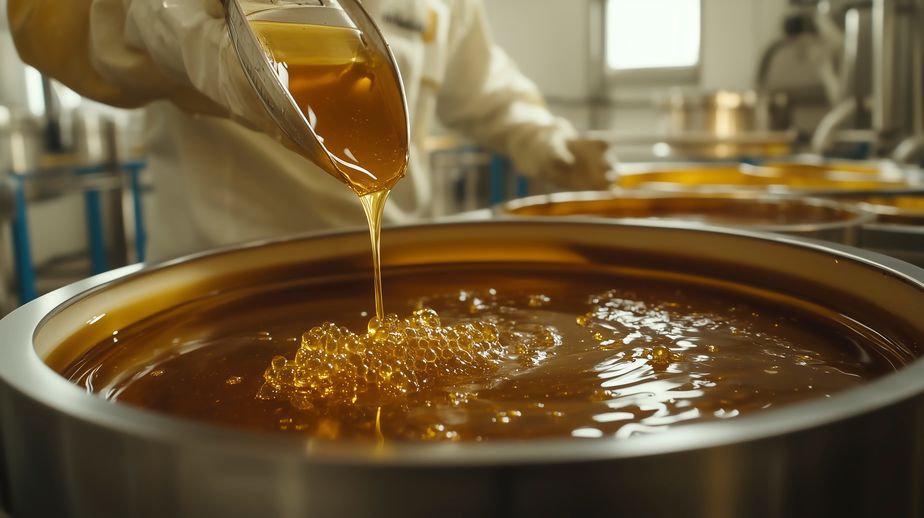
A wholesale honey supplier can meet your price target and still be the wrong fit for your operation. For food manufacturers, dependable sourcing also requires consistent specifications, documented traceability, quality controls, technical knowledge, and the ability to supply the right honey when production needs it.
The right supplier should be able to answer questions about the ingredient as confidently as they answer questions about price and availability.
Look for Consistent Honey Specifications
Consistency matters when honey is incorporated into a commercial formulation.
Honey can vary in flavor, color, moisture, and other characteristics based on floral source, geography, season, and processing. Those differences can influence how the ingredient performs in products ranging from baked goods and beverages to sauces and confections.
Before selecting a supplier, determine which characteristics are critical to your application. Understanding different honey varieties and characteristics can help procurement and R&D teams establish specifications that support repeatable production.
A supplier should also be able to explain how it manages natural variation while consistently meeting agreed-upon specifications.
Ask How the Supplier Verifies Authenticity
Price and appearance cannot establish whether honey is authentic.
Honey adulteration and ingredient misrepresentation remain important sourcing concerns. Procurement and quality teams should ask how a potential supplier evaluates authenticity, verifies origin, and manages its sourcing network.
Traceability provides visibility into where honey came from and how it moved through the supply chain. Independent verification can provide another layer of accountability. True Source Verified honey, for example, is supported by requirements for traceability, recordkeeping, testing, and third-party auditing.
The goal is not simply to collect another certification. It is to have documentation that supports the supplier’s claims about the ingredient you are purchasing.
Review Quality Systems and Certifications
A dependable supplier should have quality systems that extend beyond a specification sheet.
Ask about testing protocols, food safety programs, supplier qualification, documentation, and procedures for addressing materials that do not meet requirements. Quality assurance teams should be able to access the information they need to evaluate an ingredient before it reaches production.
A supplier’s honey certifications and quality standards can also help buyers evaluate attributes such as authenticity, sourcing, food safety, Organic status, or Non-GMO verification when those requirements apply.
Procurement and QA teams can further review available specifications and certifications when qualifying a supplier for their organization.
Consider Supply Reliability and Logistics
The right honey is only useful if it arrives in the quantity and format your operation needs.
Wholesale buyers should consider lead times, available inventory, packaging formats, transportation, storage requirements, and the supplier’s ability to support changes in demand. A supplier that understands commercial food manufacturing should be prepared to discuss these operational requirements before they become production problems.
Supply continuity matters as well. Strong supplier relationships and a well-managed sourcing network can help manufacturers plan more confidently when availability or market conditions change.
Look for Technical Knowledge, Not Just a Sales Contact
Honey does more than sweeten a formulation. It can contribute flavor, color, moisture retention, texture, and browning, making ingredient selection relevant to both procurement and product development.
A knowledgeable supplier should be able to discuss how different honey options may fit an application and work with R&D and quality teams when technical questions arise.
Honey Source supports food and beverage manufacturers with sourcing, quality, and technical knowledge built around the realities of commercial honey purchasing. Our wholesale honey capabilities help manufacturers evaluate both the ingredient and the supply chain behind it, with support across supplier qualification, formulation needs, documentation, and ongoing purchasing requirements.
Choose a Supplier That Can Support the Relationship
Choosing a wholesale honey supplier means evaluating more than cost per pound. Consistency, authenticity, traceability, certifications, logistics, technical expertise, and reliable supply all contribute to the long-term value of the relationship.
Ask potential suppliers how they manage these areas and whether they can provide documentation to support their answers.
Explore bulk honey options and request pricing to find a honey that meets your specifications, volume requirements, and food manufacturing needs.



Leave a Reply